
The Slimee Franchise Launch
July 10, 2026
Kotofit Franchise Launch
July 14, 2026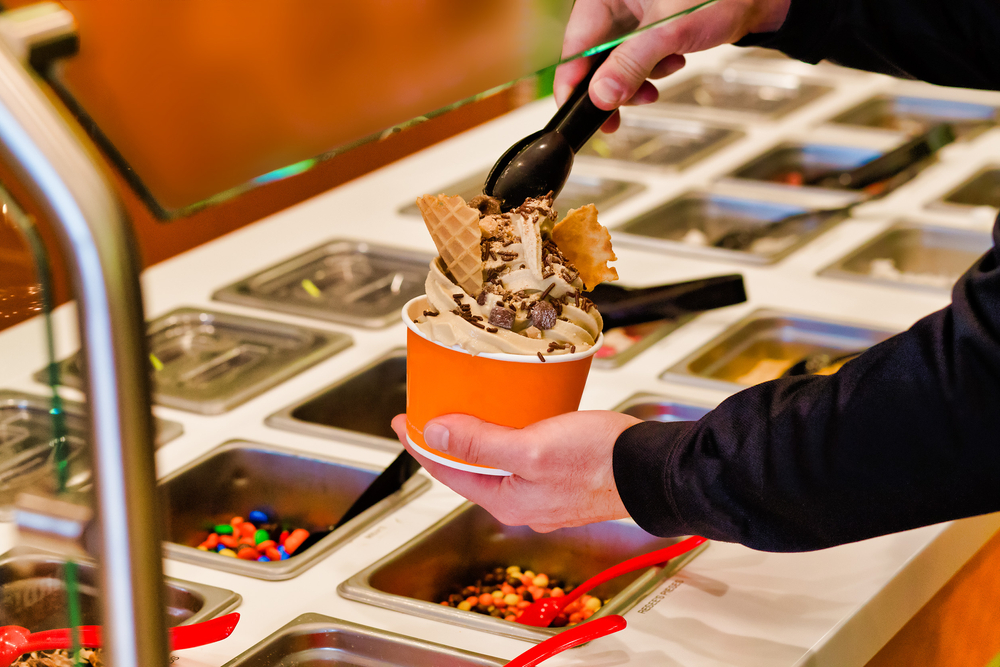

The frozen yogurt industry has gone through several cycles of rapid growth, market correction, reinvention, and renewed consumer interest. Once viewed as a healthier alternative to ice cream, frozen yogurt became a major retail trend through self-serve stores, colorful toppings bars, and family-friendly dessert experiences. While the category cooled after its initial boom, frozen yogurt has remained a relevant and attractive franchise segment because it combines dessert, customization, relatively simple operations, and strong consumer appeal.
Today, frozen yogurt is experiencing renewed attention as consumers look for products that balance indulgence with wellness. Customers still want dessert, but many also want lower-fat options, portion control, fruit toppings, probiotics, dairy-free choices, and customizable experiences. This creates an opportunity for frozen yogurt franchise brands that can modernize the model, improve store design, offer high-quality products, and appeal to younger consumers as well as families.
Why Frozen Yogurt Works as a Franchise Model
Frozen yogurt is well suited for franchising because the business can be highly systemized. The core model typically includes standardized store layouts, equipment packages, recipes, supplier relationships, point-of-sale systems, employee training, local marketing programs, and operating procedures. This makes the concept easier to replicate across multiple markets compared to businesses requiring complex technical skills or extensive professional licensing.
Franchisees benefit from a model that is relatively easy to understand. The product is familiar, the customer experience is straightforward, and the store can often be operated with a smaller staff than full-service restaurants. Many frozen yogurt shops use a self-serve or counter-service format, which can reduce labor complexity while allowing customers to personalize their orders.
For franchisors, the category offers the ability to build recognizable consumer brands around flavor innovation, family-friendly experiences, community marketing, and repeat visits.
Consumer Demand for Customization
One of the biggest strengths of frozen yogurt is customization. Customers enjoy choosing their own flavors, portion sizes, toppings, sauces, fruits, candies, nuts, and premium add-ons. This creates a fun, interactive experience that appeals to children, teenagers, families, and adults.
Customization also gives operators flexibility. A frozen yogurt store can offer traditional flavors, tart yogurt, no-sugar-added options, sorbet, vegan alternatives, protein-based products, smoothies, acai bowls, shakes, coffee drinks, and seasonal specials. This allows the business to adjust to local preferences and changing consumer trends.
In today’s foodservice environment, experience matters. Consumers are not only buying dessert; they are buying a social outing, a treat after school, a family activity, or a shareable moment for social media. Frozen yogurt fits well into this experience-driven retail environment.
Health-Conscious Indulgence
Frozen yogurt occupies a unique position between dessert and wellness. While it is still an indulgent product, many consumers perceive it as lighter or more health-conscious than traditional ice cream. This perception gives the category an advantage with customers who want a treat but are also mindful of calories, fat content, sugar, or digestive health.
Brands that emphasize quality ingredients, live and active cultures, fresh fruit, lower-sugar options, and portion control can appeal to health-conscious consumers without losing the fun of dessert.
The strongest franchise systems in the category are not just selling frozen yogurt; they are positioning themselves around balance, lifestyle, freshness, and choice.
The Evolution of the Store Model
The original frozen yogurt boom was heavily driven by self-serve stores with large topping bars. While that model still works in many markets, newer stores are evolving. Modern frozen yogurt shops often feature cleaner design, brighter interiors, premium finishes, digital menus, mobile ordering, loyalty programs, and expanded menus.
Some concepts are blending frozen yogurt with other high-demand categories, including:
- Smoothies
-
Acai bowls – Read more on the Acai Bowl Market Segment (https://franchiseconduit.com/the-acai-bowl-franchise-market-top-brands-and-growth-trends/)
- Bubble tea
- Coffee
- Soft serve
- Gelato
- Sorbet
- Protein shakes
- Dessert waffles
- Catering and party packages
This hybrid model can improve revenue by expanding dayparts and increasing the average ticket. A store that only sells frozen yogurt may be more seasonal, while a concept with smoothies, bowls, drinks, and catering can attract customers throughout the day and year.
Franchise Growth Opportunities
The frozen yogurt franchise category has room for growth, particularly for brands that are modern, well-capitalized, and differentiated. Strong opportunities exist in suburban shopping centers, lifestyle centers, college towns, tourist destinations, airports, entertainment districts, and mixed-use developments.
The category also works well in markets with high family density, warm climates, strong pedestrian traffic, and community-oriented retail environments.
Franchise growth can come from several models:
- Single-unit franchise ownership
- Multi-unit franchise development
-
Area development agreements – Read more on Master Franchise Models (https://www.fmsfranchise.com/master-franchise-guide-how-to-structure-price-and-scale/)
- Co-branded dessert concepts
- Nontraditional locations
- Kiosks and small-format stores
- International master franchise expansion
Because frozen yogurt is a relatively simple product category, it can often adapt to different store sizes and real estate formats.
Real Estate and Location Strategy
Location remains one of the most important success factors in frozen yogurt. A strong location should provide visibility, convenient parking, pedestrian traffic, and proximity to complementary businesses such as restaurants, schools, movie theaters, shopping centers, gyms, parks, and family entertainment venues.
Frozen yogurt is often an impulse purchase, so the store must be easy to find and easy to access. End caps, high-traffic retail centers, and locations near family-oriented anchors can be especially attractive.
Franchisors that provide strong site selection support can create a significant advantage for franchisees. Good franchise systems help evaluate demographics, traffic patterns, lease terms, competition, and sales potential before approving a location.
Read more on franchise real estate strategies here – https://fmsfranchiserealestate.com/
Operational Advantages
Compared to many restaurant concepts, frozen yogurt can offer operational simplicity. There is typically less cooking, fewer complex recipes, and limited back-of-house production. Inventory is easier to manage than in full-service food operations, and training can often be completed more quickly.
Key operating requirements include:
- Machine maintenance
- Product handling
- Cleanliness
- Food safety
- Topping bar management
- Inventory control
- Customer service
- Local marketing
- Labor scheduling
Although the model is simpler than many food concepts, execution still matters. Clean stores, working machines, fresh toppings, friendly service, and consistent product quality are essential.
Marketing the Modern Frozen Yogurt Brand
Successful frozen yogurt franchises rely heavily on local store marketing. The product is social, visual, and community-friendly, making it a natural fit for digital marketing and neighborhood engagement.
Effective tactics include:
- Social media campaigns
- Limited-time flavors
- School fundraisers
- Youth sports partnerships
- Birthday party packages
- Loyalty programs
- Family nights
- Influencer promotions
- Catering for offices and events
- Seasonal promotions
The best brands create reasons for customers to return regularly. New flavors, rewards programs, community events, and local partnerships help keep the concept fresh.
Challenges in the Category
Despite the opportunity, frozen yogurt operators must manage several challenges. The category can be seasonal in some markets, especially colder climates. Competition also comes from ice cream, coffee shops, smoothie brands, dessert cafés, bakeries, and convenience stores.
Operators must also control labor, rent, food costs, and equipment maintenance. Frozen yogurt machines are essential to the business, and downtime can directly impact revenue.
Another challenge is differentiation. During the earlier frozen yogurt boom, many stores looked and felt similar. Today’s successful brands must offer a clear reason for customers to choose them over competitors.
International Expansion Potential
Frozen yogurt also has international franchise potential. In many global markets, Western-style dessert brands remain attractive, particularly in urban areas with growing middle-class populations. Markets in Latin America, the Middle East, Asia, Africa, and Europe may offer opportunities for brands with adaptable menus and strong local partners.
International growth may require menu adaptation, supply chain development, local flavor preferences, halal or dietary considerations, and careful partner selection. Master franchise or area development agreements can be effective structures for entering new countries.
What Makes a Frozen Yogurt Brand Franchise Ready?
A frozen yogurt brand should not franchise simply because it has one popular store. To grow successfully, the business should have:
- Proven unit economics
- Documented operating systems
- Strong branding
- Supplier relationships
- Training programs
- Site selection criteria
-
Marketing systems – check Bloomfield Growth for information on developing store level marketing campaigns – https://bloomfieldgrowth.agency/
- Technology platforms
- Food safety procedures
- Franchisee support infrastructure
Franchise buyers want more than a product. They want a complete system that helps them open, operate, market, and grow the business.
The Future of Frozen Yogurt Franchising
The future of frozen yogurt franchising will likely be driven by modernization. Brands that rely only on the old self-serve model may struggle unless they refresh their design, menu, marketing, and customer experience. However, brands that combine frozen yogurt with wellness, customization, digital engagement, and expanded dessert offerings have meaningful growth potential.
Consumers continue to love affordable treats, social food experiences, and customizable products. Frozen yogurt fits these trends well when positioned correctly.
For franchise investors, the category can offer an appealing combination of recognizable consumer demand, manageable operations, and scalable store formats. For franchisors, frozen yogurt provides an opportunity to build a fun, community-driven brand with repeat customer potential.
The strongest franchise systems in this category will be those that focus on quality, simplicity, brand experience, franchisee support, and continued innovation. Frozen yogurt may no longer be the explosive fad it once was, but as a mature and evolving dessert category, it remains a compelling opportunity within the broader franchise marketplace.
For more information on the Frozen Yogurt Franchise Market, contact Franchise Marketing Systems –www.FMSFranchise.com